Aluminium glazing
buying guides
A complete collection organised by the decision you are making. Each guide includes practical checks, an illustrative scenario and a checklist for your next conversation.
Published by Bifoldsandmore / Door Central Ltd · Updated 11 October 2026 · About our advice
Choose a route through the guides
If you are early in a project, begin with the extension, replacement or whole-house guide. If you have a product shortlist, use the layout and performance guides to refine it. When quotations arrive, move to scope, costs and order approval. You do not need to read everything: choose the question blocking your next decision.
Doors & garden access
Bifold or sliding doors?
Choose bifolds when opening up the room is your priority and you have somewhere for the panels to stack. Choose sliders when the view with the doors shut and keeping furniture clear of swinging leaves matter most. Everyday access can decide the choice before frame styling does.
BUYING GUIDEBifold panel configurations and traffic doors
Panel count is only half a bifold specification. Stacking direction, opening direction and the daily-access leaf determine whether the arrangement works in your room. Approve an annotated plan and elevation rather than a configuration code alone.
BUYING GUIDESliding door tracks and opening space
Track count describes the paths panels can travel along; it does not tell you which panels actually move. For a useful comparison, request a plan showing fixed panels, moving panels, their parked position and the resulting clear passage.
BUYING GUIDESliding door sightlines and usable opening space
A sightline is a visible frame dimension at a particular location. A slim central interlock can improve the view, but it tells you nothing by itself about the outer frame, handles, threshold or how much the door opens.
BUYING GUIDEFrench doors or sliding patio doors?
French doors are worth considering for a familiar hinged daily entrance, particularly where both leaves have room to swing. Sliding doors suit layouts where keeping the room and patio free of a swing arc matters. Compare the actual clear openings before deciding which gives more access.
BUYING GUIDEChoosing doors for a smaller opening
For a smaller opening, useful passage and convenient operation are often more valuable than a dramatic panel arrangement. Start with a single door plus fixed glass, French doors and a permitted slider before assuming bifolds are the right fit.
BUYING GUIDEGlazing for a large opening
Large openings need three plans: how the glazing will look, how it will operate and how it will reach the opening. Resolve structural support and handling before choosing very large panes or a recessed frame.
BUYING GUIDEDoors for everyday life
The right patio door should work when you want to let the dog out, bring in shopping or step outside in the rain. Decide how you will use one small opening before choosing the fully open arrangement.
BUYING GUIDEPlanning door thresholds and finished floor levels
A low threshold is a coordinated construction detail, not simply a door option. The frame, inside floor, outside surface, drainage and exposure must work together. Agree a drawn section before the floor or patio levels are fixed.
BUYING GUIDEDoor blinds and handle clearance
A blind must clear the door in every operating position, not just when shut. Check the headrail, gathered blind, handle projection and moving panels together before either product is ordered.
BUYING GUIDECat flaps in glazed doors: plan before ordering
Choose the flap and its position before the glass is made. A flap can interfere with sliding or folding panels, so the supplier must approve the model, projection and prepared glass opening as one arrangement.
BUYING GUIDEFlyscreens for patio doors
A flyscreen needs its own space for tracks, cassettes and handles. Treat it as another moving system at the opening, and check it against the door’s stack, threshold and everyday walking route.
Roof glazing & daylight
Roof lantern or flat rooflight?
A lantern adds a raised, framed feature above the room; a flat rooflight offers a simpler opening towards the sky. Choose the effect you want from below, then compare glass, opening options and roof construction on the same basis.
BUYING GUIDERoof glazing measurements: opening, upstand and frame
Structural opening, finished upstand and overall frame are different measurements. A rooflight or lantern described as the same nominal size can require a different opening from another system. Use the chosen supplier’s drawing to reconcile them.
BUYING GUIDEWhere should a roof lantern go?
Position a lantern to serve the room below, particularly the darker space away from vertical glazing. The biggest lantern that fits the roof is not automatically the best: beams, light fittings, furniture and summer comfort all affect the result.
BUYING GUIDERoof glazing: light, comfort and daily use
Comfort depends on the room as a whole. Compare heat loss, solar gain, daylight and ventilation separately; choosing solar-control glass alone does not establish that an extension will be comfortable throughout the year.
BUYING GUIDEFixed or opening rooflights?
Choose fixed rooflights for daylight where ventilation is provided elsewhere. Consider opening rooflights when high-level ventilation is part of the room design, and include access, controls, wiring and maintenance in the comparison.
BUYING GUIDERoof glazing: cleaning access and rain noise
Plan safe cleaning access and realistic rain-noise expectations before ordering roof glazing. Self-cleaning coatings do not remove the need for inspection or every type of cleaning, and standard rooflights must not be treated as walk-on surfaces.
Windows, finishes & comfort
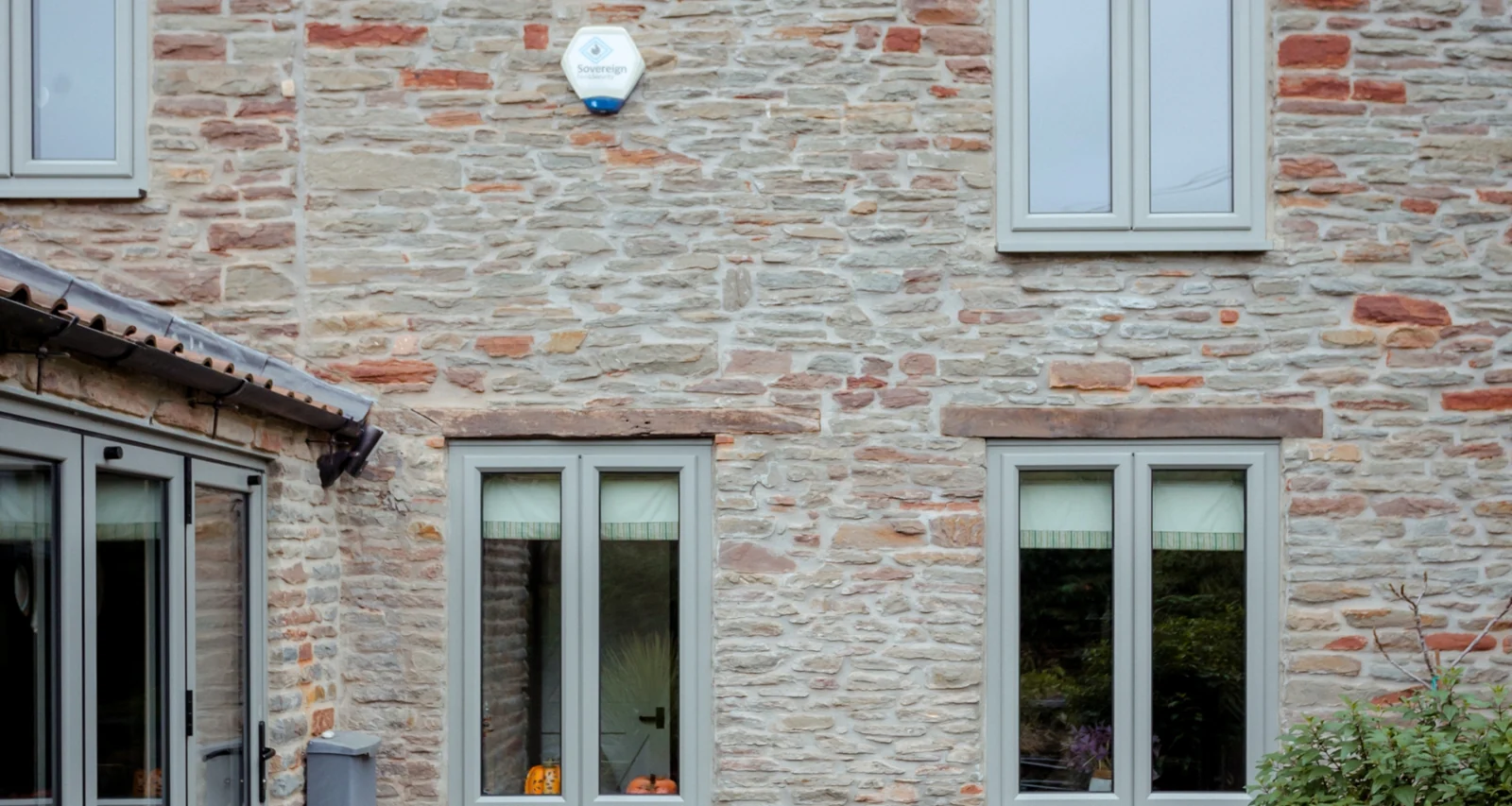
Aluminium window styles compared
Choose window operation room by room, then coordinate the external appearance. Casement and tilt-and-turn describe how a window opens; flush and heritage mainly describe styling. Those labels are not interchangeable performance specifications.
BUYING GUIDEWindows for comfort and noise
Identify the problem before choosing a glass upgrade. Draughts, cold surfaces, traffic noise, condensation and overheating have different causes. The frame, vents, seals and installation matter alongside the glass.
BUYING GUIDEWindow opening styles and cleaning access
An opening style is useful only if you can reach its handle, clear its moving sash and maintain it safely. Check the window in the furnished room, not just on an empty elevation.
BUYING GUIDEChoosing aluminium colours and finishes
Choose aluminium finishes using physical samples, in the light where they will be installed. A colour code identifies part of the specification; texture, sheen, coating range and hardware finish can still make two products look different.
BUYING GUIDEDual-colour aluminium glazing: inside and outside finishes
Dual-colour glazing lets the inside and outside faces serve different schemes. Confirm the exact system supports your combination, then check the appearance of edges, open leaves, hardware and accessories as well as the closed faces.
BUYING GUIDEPlan blinds, privacy and shading
Plan three separate needs: privacy after dark, glare during the day and control of solar heat. A solution that works for one may do little for another, so choose the glazing and shading as a coordinated package.
BUYING GUIDEHow to compare glazing performance information
Compare figures only when they describe the same thing. Whole-product heat transfer, centre-pane insulation, solar gain, visible light, acoustics and security are separate measures; no single headline establishes overall suitability.
Internal doors & room divisions
Internal glass doors: hinged, French or sliding?
Choose a hinged leaf for a straightforward everyday doorway, French doors for a wider occasional connection, and sliding doors when you can provide a clear parking space instead of a swing arc. Include the adjacent fixed glazing in the same design.
BUYING GUIDEInternal glazing for real rooms
Internal glazing can divide rooms while sharing light, but first decide what separation you need: visual definition, privacy, less noise or control of smells. Those outcomes call for different glass, seals, layouts and evidence.
BUYING GUIDEInternal glazed doors: noise, privacy and cooking smells
Visual privacy and acoustic separation are different specifications. Obscure glass can soften a view without stopping speech; a sealed door may help separation but still needs evidence for any claimed acoustic rating.
BUYING GUIDESteel or steel-look aluminium doors?
Steel-look describes an appearance; it does not identify the material. Compare actual steel and aluminium proposals by frame sections, joints, finish, operating type and required performance, rather than assuming a similar black grid means the same product.
BUYING GUIDEPlanning a coordinated heritage glazing scheme
Heritage styling works best when the proportions are coordinated across the whole elevation. Plan frame divisions and glazing bars together, then check operation, material and any property-specific consent requirements.
Projects, costs & ordering
Preparing your glazing measurements
Homeowner measurements are useful for an initial budget, but they are not manufacturing dimensions. Record what you measured, take several readings and leave deductions and final order sizing to the agreed survey process.
BUYING GUIDEFrom approximate measurements to an approved order
The survey turns a design idea into a buildable specification; order approval authorises the agreed product. Treat them as separate checkpoints, with one current drawing set and a named person responsible for the final dimensions.
BUYING GUIDEWhat affects aluminium glazing prices?
There is no useful single price for aluminium glazing without size, system, glass and work scope. Compare the cost of a completed opening, then separate optional appearance upgrades from features your project genuinely needs.
BUYING GUIDEPlan the whole glazing budget
Build a budget for the finished room, not just the delivered glazing. Hidden costs usually come from undefined interfaces: unloading, access, removal, structural work, floors, plaster, electrics and making good.
BUYING GUIDECompare glazing quoteson the same basis.
Make quotes comparable before ranking their totals. Use one opening schedule and mark every difference in model, glass, layout, finish, installation and aftercare. An unanswered line is unconfirmed, not included.
BUYING GUIDECompare glazing systems properly
Choose between specified systems, not badges. The useful shortlist is made of actual models that fit your opening, meet your required performance and have a clear route from survey to fabrication, installation and support.
BUYING GUIDEGlazing warranties and who to contact
A warranty length is only the start of the comparison. Identify what is covered, by whom, for how long and with which exclusions. Product, glass, hardware, finish and installation coverage may be separate.
BUYING GUIDESupply only or supply and installation?
Supply only suits a project with a capable installer and clear ownership of survey, ordering and site coordination. Supply and installation can simplify the handoffs, but the written scope still needs to define building work and making good.
BUYING GUIDEGlazing site-delivery checklist
Free delivery does not automatically include every activity required to get glazing into its opening. Confirm vehicle access, unloading, handling equipment, receiving checks and storage before a delivery date is agreed.
BUYING GUIDEPlan glazing for an extension
Plan extension glazing around the furnished room, then coordinate the doors, roof glazing and building interfaces as one package. Decide where you need light and how you reach the garden before committing to panel counts.
BUYING GUIDEReplace existing doors and windows
Begin by identifying what you want to fix: a faulty unit, awkward access, poor comfort or an outdated appearance. Replacement is easier to scope when you separate repairable issues from changes that need a new layout or building work.
BUYING GUIDECoordinate a whole-house glazing project
A whole-house project needs one controlled opening schedule, with specifications tailored to each room. Coordinate appearance across the property while keeping ventilation, privacy, access and performance requirements specific to each opening.
Turn the reading into a plan.
Keep your priorities, approximate sizes and outstanding questions together. Your brief gives us a useful starting point for a confirmed quotation.
uPVC buying guides
Explore practical styles, finishes and opening options for replacement glazing and new projects.
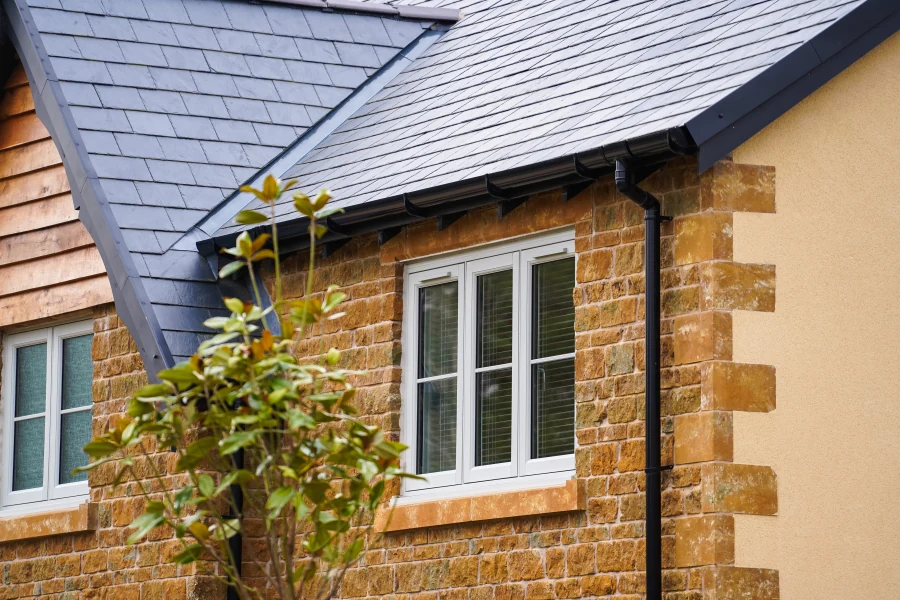
uPVC vs aluminium windows
Compare real window proposals by appearance, room requirements and complete cost, rather than choosing from the material name alone.
Explore your options →Flush vs standard uPVC casement windows
Compare the sash profile, joints and whole elevation to decide whether a flush appearance is worth the change for your home.
Explore your options →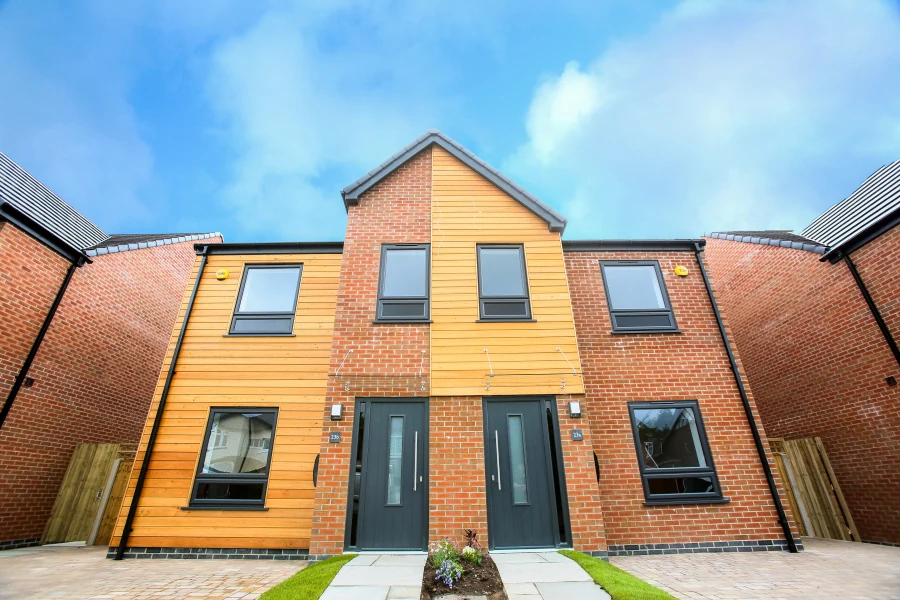
uPVC window and door colours and finishes
Choose the exact finish, faces and accessories with physical samples, particularly where uPVC and aluminium meet.
Explore your options →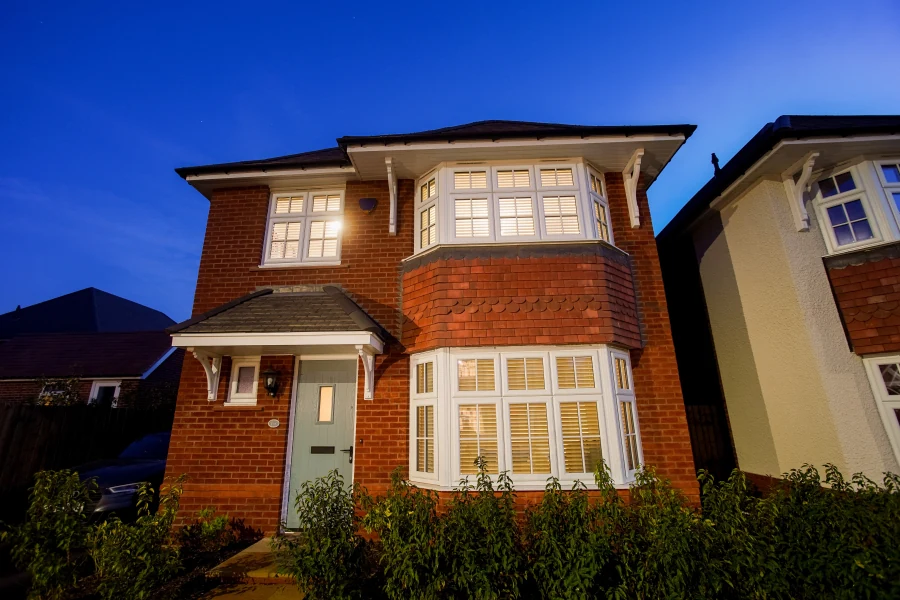
What affects uPVC window and door costs?
Build a budget around the opening schedule, glass and work required, with clear allowances for anything not yet confirmed.
Explore your options →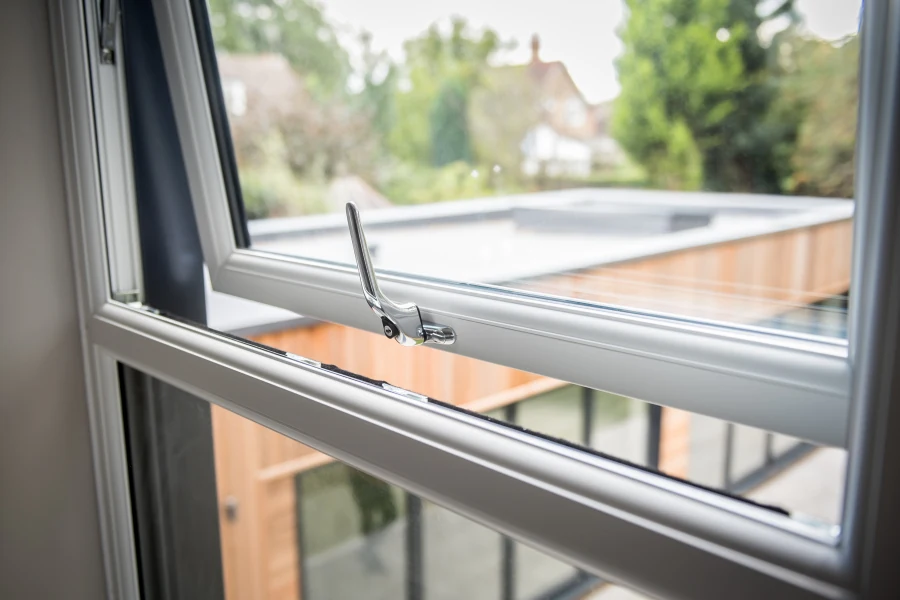
Double or triple glazing in uPVC windows?
Compare the complete window and the room’s needs before paying for another pane of glass.
Explore your options →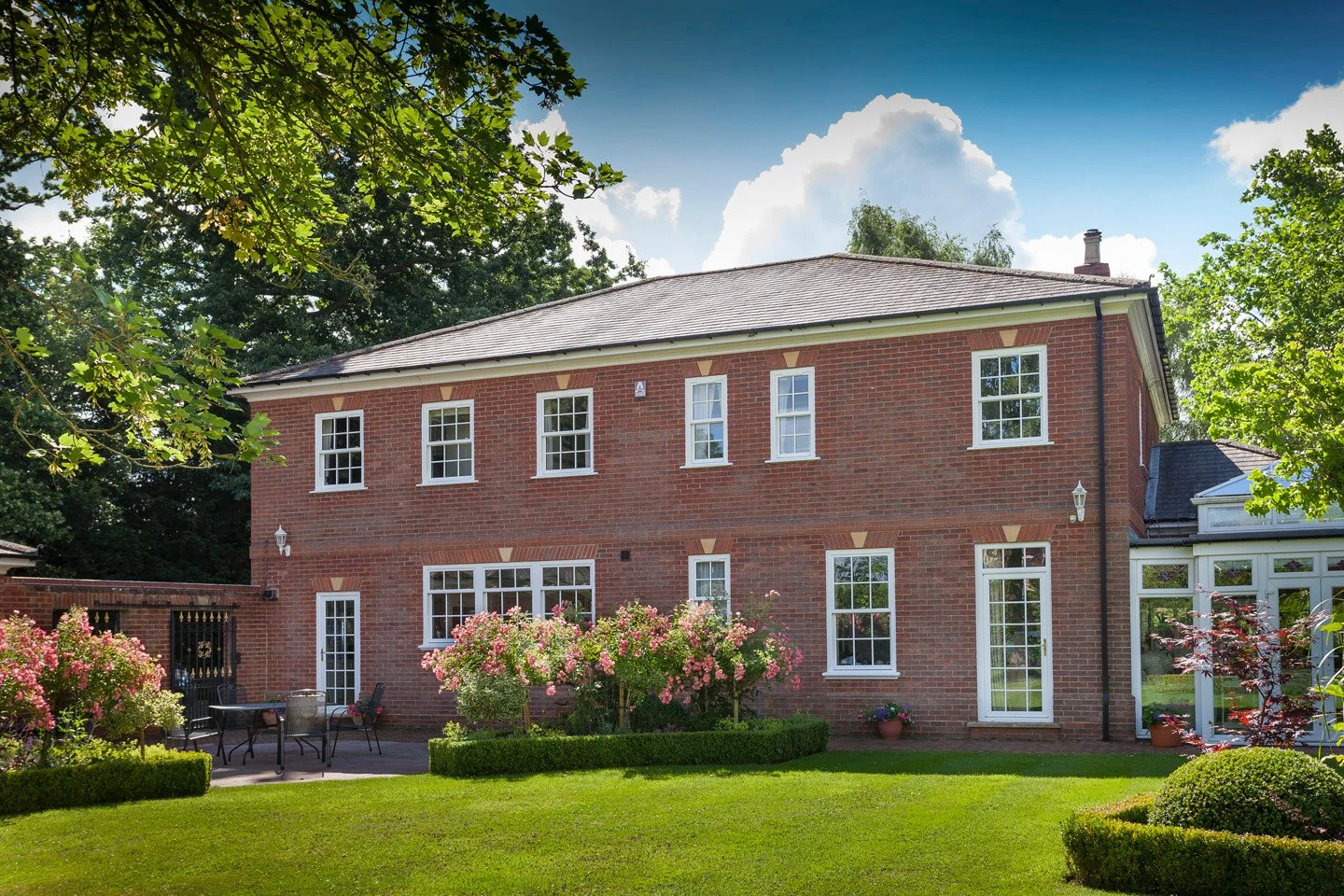
uPVC brands and systems: what to compare
Identify the system, fabricator and finished specification before choosing by brand. This is a research shortlist, not a list of confirmed supply partnerships.
Explore your options →