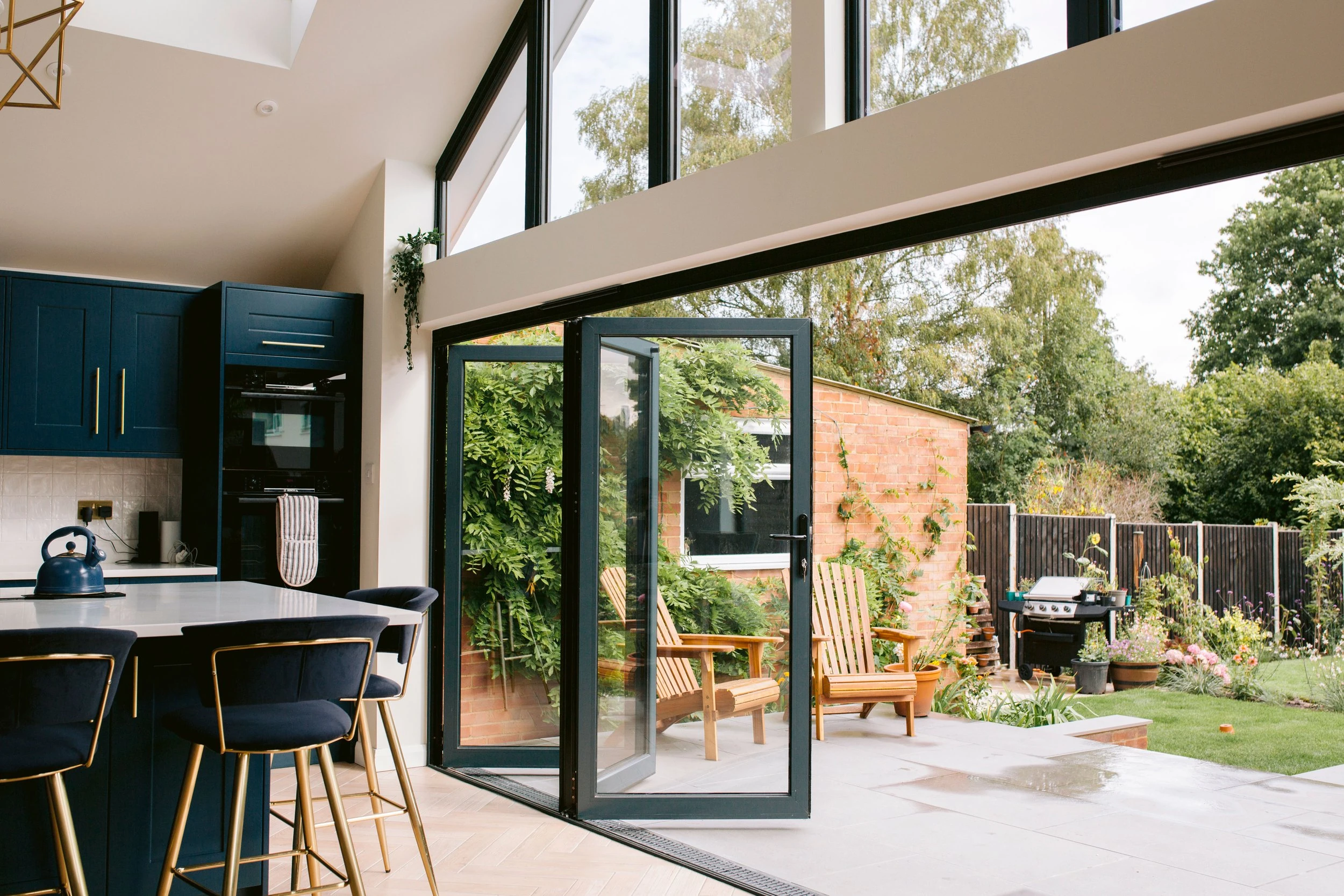
The useful answer
Build a budget for the finished room, not just the delivered glazing. Hidden costs usually come from undefined interfaces: unloading, access, removal, structural work, floors, plaster, electrics and making good.
Use confirmed, allowance and unknown columns
A useful budget shows how certain each figure is. Mark a supplier’s fixed quotation as confirmed within its stated scope and validity; use allowance for a provisional sum; use unknown where nobody has priced the work. Do not enter zero for unknown. Assign each unresolved line to the supplier, builder, electrician or another responsible party.
Keep your contingency separate from the quoted total. It is money you reserve for uncertainty, not evidence that every omission is covered. When the design changes, update both the cost and timing assumptions. An upgraded door can trigger a different handling plan, while a revised threshold can affect paving. Comparing only the product-price change misses those connected costs.
A situation you can apply to your own project
An extension budget includes free delivery but no plan for moving a large glazed unit from the roadside to the rear opening. The missing task might require specialist equipment or a different delivery arrangement. Identify and price that task before ordering; free delivery and installation access are separate questions.
Compare the practical details
| Decision | What it means for your project |
|---|---|
| Removal and disposal | Who takes out existing units and removes waste? |
| Receiving and handling | Who unloads, provides equipment and moves units to the opening? |
| Making good | Who repairs plaster, paint, reveals, floors and outside surfaces? |
| Programme changes | What happens if the opening is not ready or delivery must move? |
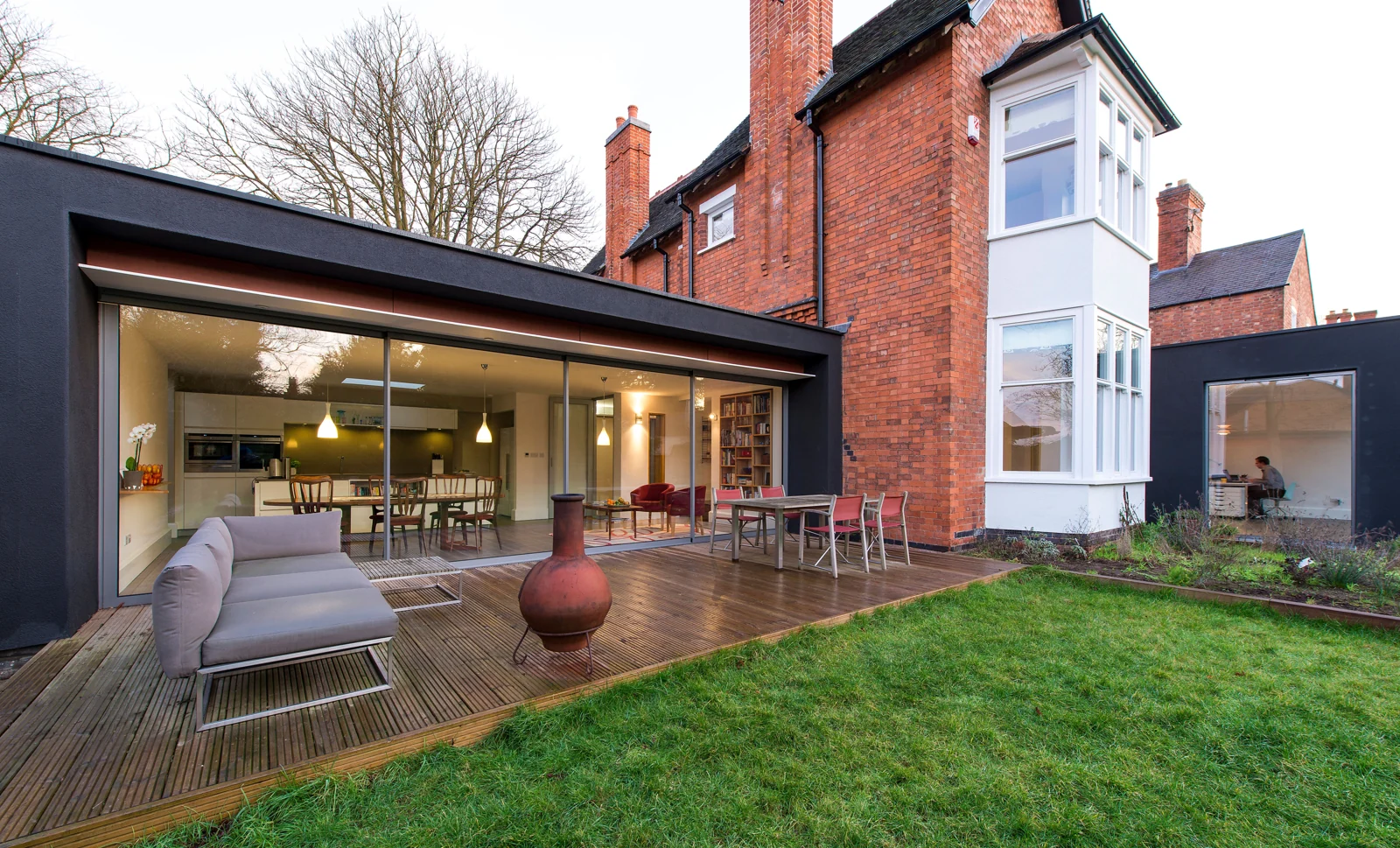
Work through the specification
Separate product from project costs
Create lines for the glazing, survey, installation, removal, disposal, handling equipment, building interfaces and making good. Ask the quotation to show inclusions and exclusions rather than assuming all of these sit inside a product price.
Describe the site conditions
Tell the supplier about restricted access, upper floors, scaffolding, lifting needs and delivery restrictions. Discuss unloading responsibility and what happens if the site is not ready. Free delivery does not describe every activity needed to move glazing into position.
Choose where specification matters to you
Rank everyday access, appearance, comfort and maintenance alongside your budget. Ask for separately priced alternatives so you can see what changes. Avoid comparing a fully specified proposal with an unexplained starting price.
Keep uncertainty visible
Record which figures are confirmed, allowances or awaiting a quotation. Keep your own contingency separate from the supplier price and request a revised total when the scope changes. The site’s provisional guide prices are not a confirmed offer for your project.
Your checklist before the next conversation
- Use unknown instead of zero
- Assign every unresolved cost
- Keep contingency separate
- Check equipment and access
- Update totals when the specification changes
Questions people ask
Can I use a forum price as my budget?
Use it to identify questions, not as a like-for-like benchmark. Date, size, specification, tax and installation scope may differ.
What should a useful quote include?
The exact product specification, scope, VAT treatment, responsibilities, timing assumptions, validity and applicable terms.