Choose the right glazing
for your project
Compare the choices in the order that makes them useful: the room, the product, the system and the complete quotation.
Published by Bifoldsandmore / Door Central Ltd · Updated 11 October 2026 · About our advice
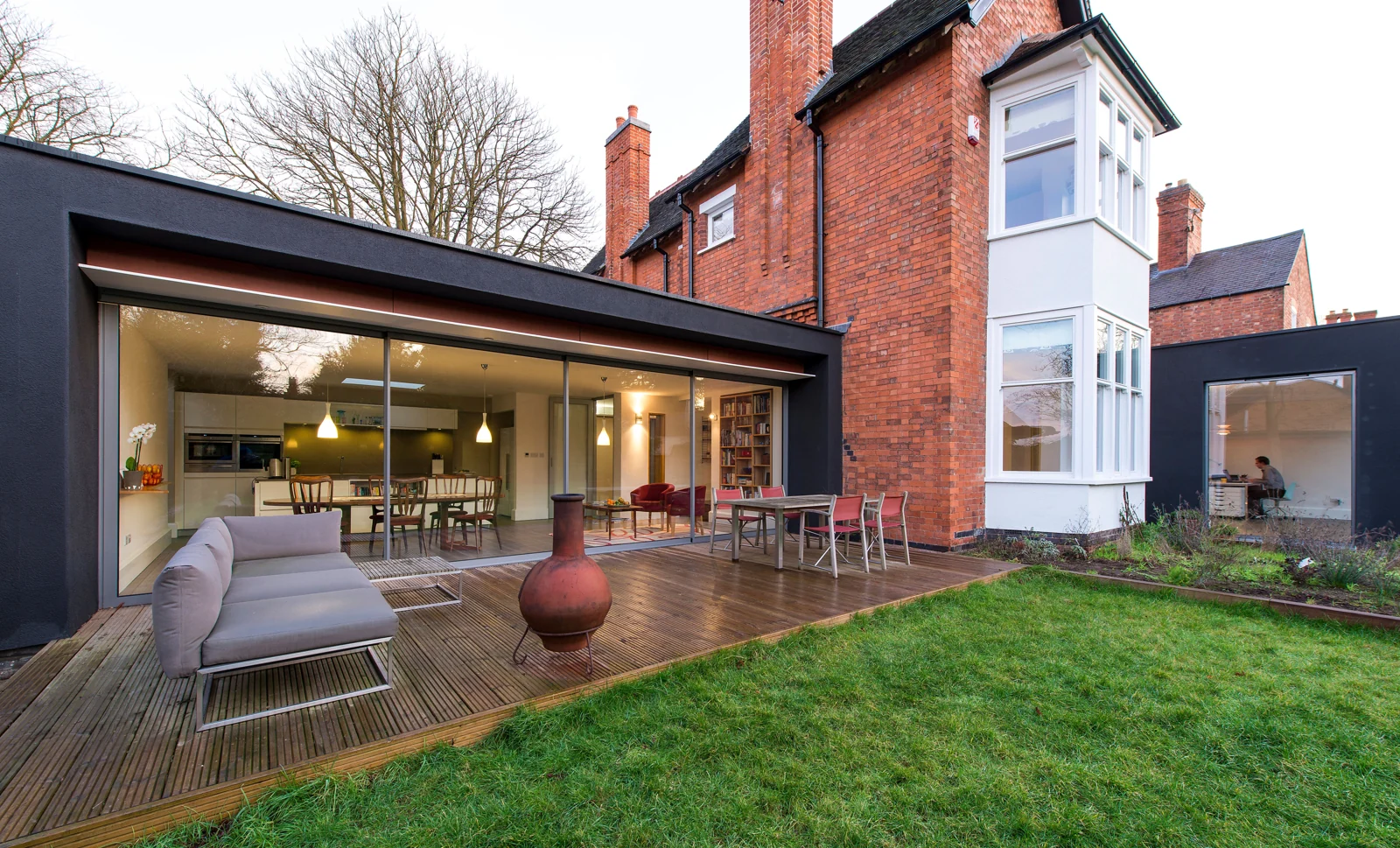
Choose in three passes
First choose the product family that suits the room. Next compare actual systems within that family. Finally compare quotations for the same specification and work scope. Jumping straight to brands or prices can leave a more important layout decision unresolved.
| Decision | What it means for your project |
|---|---|
| 1 · Room and movement | Compare daily access, closed view, furniture, light and privacy. |
| 2 · System and specification | Compare actual model, glass, frame sections, finish and hardware. |
| 3 · Supplier and scope | Compare survey ownership, fitting, making good, timing and aftercare. |
Start with the choice in front of you
Bifold or sliding doors?
Choose bifolds when opening up the room is your priority and you have somewhere for the panels to stack. Choose sliders when the view with the doors shut and keeping furniture clear of swinging leaves matter most. Everyday access can decide the choice before frame styling does.
READ THE GUIDEFrench doors or sliding patio doors?
French doors are worth considering for a familiar hinged daily entrance, particularly where both leaves have room to swing. Sliding doors suit layouts where keeping the room and patio free of a swing arc matters. Compare the actual clear openings before deciding which gives more access.
READ THE GUIDERoof lantern or flat rooflight?
A lantern adds a raised, framed feature above the room; a flat rooflight offers a simpler opening towards the sky. Choose the effect you want from below, then compare glass, opening options and roof construction on the same basis.
READ THE GUIDEAluminium window styles compared
Choose window operation room by room, then coordinate the external appearance. Casement and tilt-and-turn describe how a window opens; flush and heritage mainly describe styling. Those labels are not interchangeable performance specifications.
READ THE GUIDEInternal glass doors: hinged, French or sliding?
Choose a hinged leaf for a straightforward everyday doorway, French doors for a wider occasional connection, and sliding doors when you can provide a clear parking space instead of a swing arc. Include the adjacent fixed glazing in the same design.
READ THE GUIDESteel or steel-look aluminium doors?
Steel-look describes an appearance; it does not identify the material. Compare actual steel and aluminium proposals by frame sections, joints, finish, operating type and required performance, rather than assuming a similar black grid means the same product.
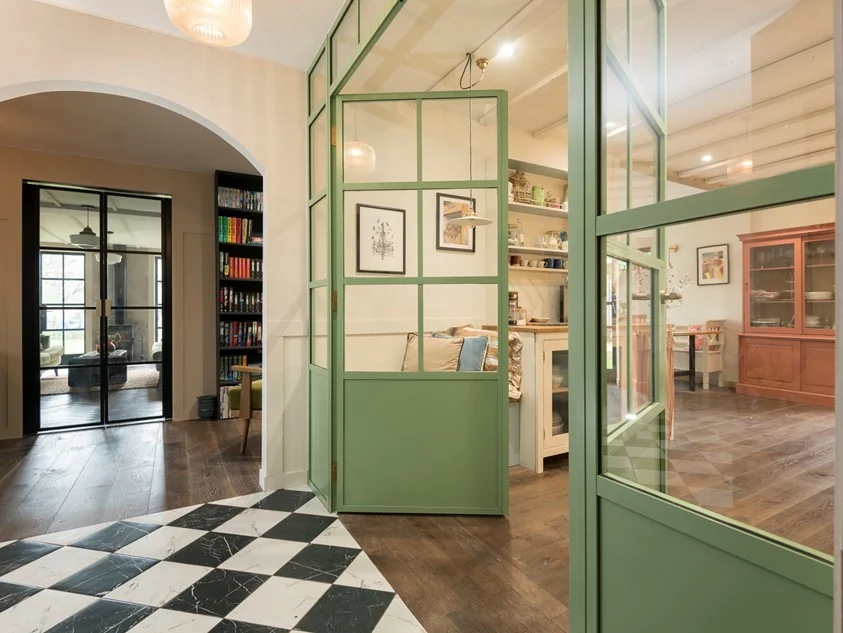
Your must-haves come before your favourites.
A door that clashes with your table or cannot provide the privacy you need is not rescued by an attractive colour. Write three must-have outcomes, then use samples and drawings to compare your preferences among the proposals that meet them.
A worked decision
Imagine a kitchen with a wide garden opening and a separate utility exit. The owner prioritises the view and wants the dining table close to the glass: a slider is a useful first option. If the same room loses its utility exit, daily access and outside locking deserve more weight. If the main ambition is to open the room for entertaining, a bifold becomes worth comparing, with its stack drawn on the patio plan.
Then compare systems and prices
Glazing comparison guides
Read the named brand comparisons after deciding the product family.
QUOTATIONSCompare glazing quoteson the same basis.
Make inclusions and exclusions visible before ranking the totals.
LAYOUT TOOLOne opening. Different ways to live.
Use schematic layouts to discuss movement and panel positions.
Turn the reading into a plan.
Keep your priorities, approximate sizes and outstanding questions together. Your brief gives us a useful starting point for a confirmed quotation.